Zinc Oxide for Rubber
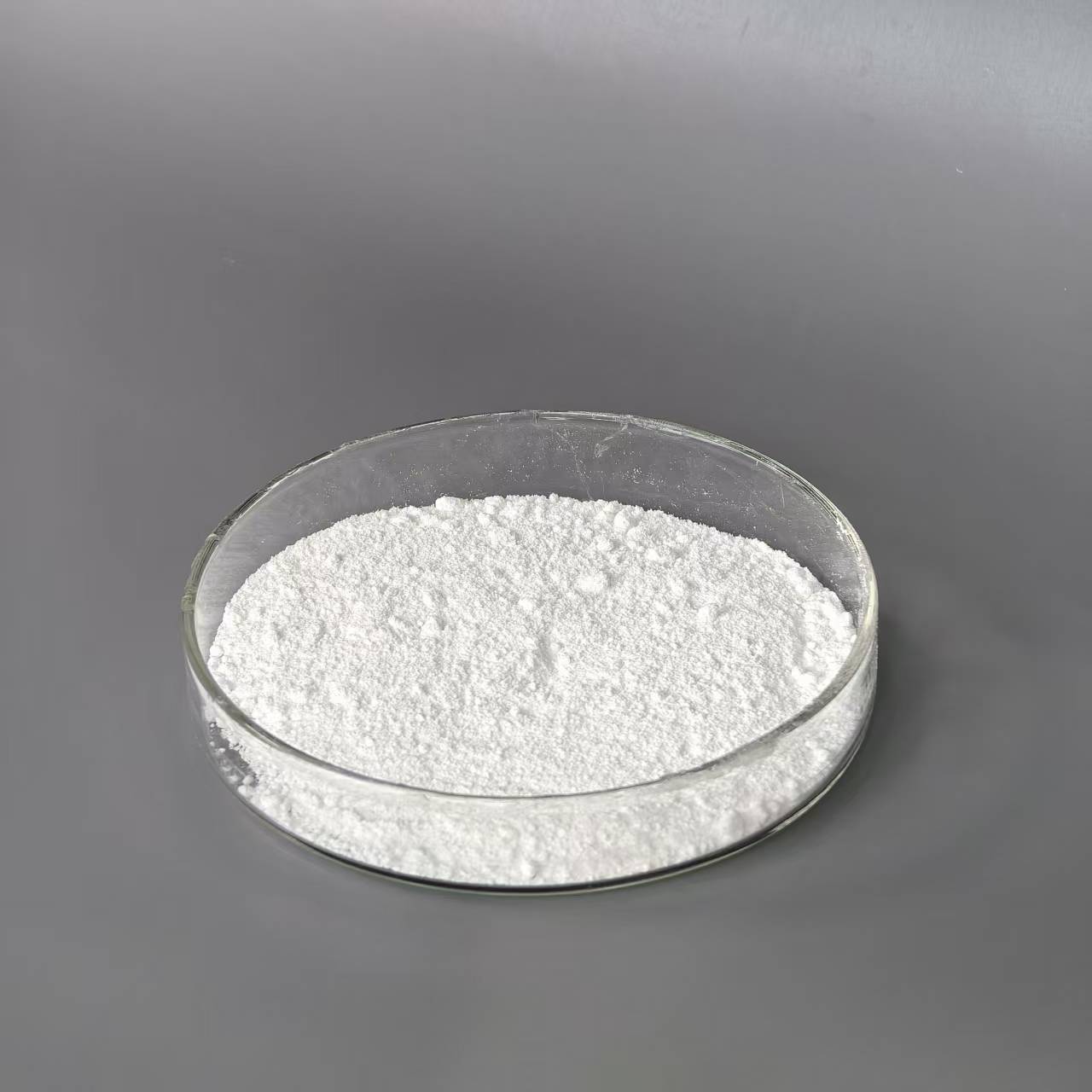
Every day, tires roll at high speeds on roads, sneakers bend and rebound with each step, and washing machine door seals maintain watertight integrity through repeated compression. Behind these everyday rubber products lies a common performance enabler: zinc oxide. This white powder is added in small quantities to rubber compounds, yet it determines whether rubber products achieve their expected strength, elasticity, and service life. Shandong Jiurunfa's zinc oxide products, specifically formulated for the rubber industry, ensure every rubber item delivers robust and reliable performance.
Zinc oxide plays a pivotal role in the rubber vulcanization process. Raw rubber molecules form long chains that can slide past each other, resulting in a material lacking both strength and elasticity. Vulcanization is essential to cross-link these chains into a network structure, transforming it into functional rubber. This cross-linking reaction requires both vulcanizing agents and activators. Zinc oxide functions as the activator. It first reacts with stearic acid in the formulation to form zinc soap. This zinc soap then combines with the accelerator to create a highly reactive complex. Only this complex can effectively open sulfur molecules, allowing sulfur atoms to bond with the rubber molecular chains. Without zinc oxide or with insufficiently active zinc oxide, the vulcanization reaction proceeds slowly or incompletely. The resulting rubber products become sticky and lack elasticity, deteriorating rapidly.
The rubber-grade zinc oxide supplied by Shandong Jiurunfa offers unique advantages in reactivity. We employ an indirect production process: high-temperature evaporation of metallic zinc into zinc vapor, which then reacts with oxygen to form zinc oxide. This method yields zinc oxide with a purity exceeding 99.7%, featuring a large specific surface area and numerous active sites. When contacting stearic acid accelerators, the reaction proceeds rapidly, forming sufficient active complexes within a short timeframe to ensure vulcanization completes within the preset time. For molded products, vulcanization speed directly determines production efficiency. Using high-activity zinc oxide shortens vulcanization time, enabling greater daily output from the same equipment. For extruded products, the stability of vulcanization speed directly impacts dimensional accuracy. Zinc oxide with stable activity ensures consistent vulcanization rates during continuous production, preventing variations in product size.
Beyond accelerating vulcanization, zinc oxide also serves as a reinforcing agent in rubber. Vulcanized rubber products endure various external forces during use, and pure rubber's inherent strength is limited, necessitating reinforcing additives to enhance mechanical properties. Zinc oxide's fine particles and high surface energy enable uniform dispersion within the rubber matrix, forming physical crosslinking points. When rubber is stretched or compressed, these crosslinking points distribute stress, preventing crack propagation. Vulcanized rubber incorporating high-quality zinc oxide can achieve over 30% higher tensile strength and significantly improved abrasion resistance. In tire tread formulations, zinc oxide synergizes with carbon black to deliver both excellent traction and extended mileage. Within conveyor belt cover compounds, zinc oxide enhances tear resistance, protecting belts from damage during transport of sharp materials.
The impact of zinc oxide on rubber aging is also significant. Rubber gradually hardens and cracks during use due to thermal, ozone, and UV exposure, and zinc oxide provides protective effects. It absorbs some UV radiation, reducing photo-aging damage to the rubber surface. Simultaneously, zinc oxide reacts with acidic substances generated during rubber aging, preventing these acids from further catalyzing the aging reaction. The role of zinc oxide is particularly prominent in heat-resistant rubber products, such as components used around engines. In high-temperature environments, rubber ages more rapidly. Zinc oxide helps maintain the chemical stability of rubber, delaying performance degradation.
Different rubber products have varying requirements for zinc oxide. The tire industry uses the largest volume, demanding stable purity and low heavy metal content. This is because high-speed rotation generates heat, and heavy metal impurities may catalyze rubber degradation. For transparent rubber products like colored shoe soles or medical tubing, zinc oxide must offer high transparency without compromising appearance. We specifically offer finer-particle varieties with superior clarity. Chemical-resistant rubber products, such as oilfield seals, require zinc oxide with excellent resistance to extraction by media. It must remain stable even after prolonged immersion in oils or solvents without compromising performance. Shandong Jiurunfa offers multiple zinc oxide specifications tailored to diverse applications, enabling customers to select the optimal grade based on their specific formulations and processes.
Shandong Jiurunfa Chemical Technology Co., Ltd. has cultivated extensive expertise in the chemical industry for years. Its website is https://chemical-sales.com/. Headquartered in Jinan Economic Development Zone, the company occupies over 600 acres and maintains a professional technical team comprising PhDs and Masters. Through deep collaboration with Beijing Chemical Industry Group, the company has accumulated extensive expertise in zinc oxide production technology, with products sold globally across numerous countries and regions. We not only supply premium rubber-grade zinc oxide but also provide technical support including formulation optimization and process adjustments, helping customers resolve practical production challenges. Choosing our zinc oxide means choosing stable, reliable quality and trustworthy service.
zinc oxide rubber uses
zinc oxide in rubber compounding
zinc oxide rubber industry
zinc oxide in rubber
zinc in tires