Starch ether
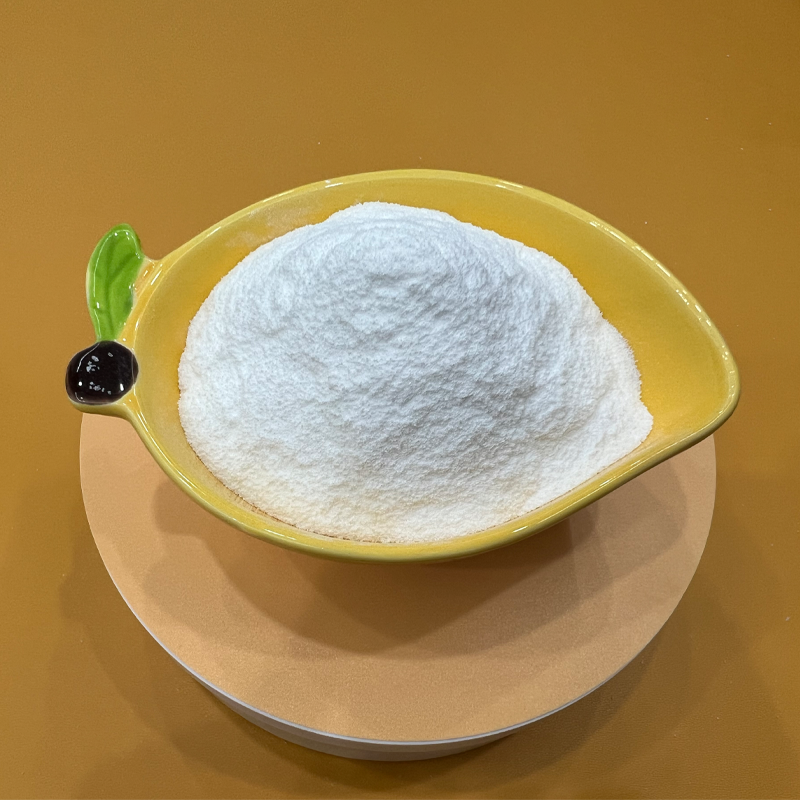
Common issues encountered during plastering, tile installation, and gypsum application—such as sagging and running, difficulty in finishing, wall cracking, and hollow or loose spots—are mostly not caused by defects in the main materials, but rather by the lack of suitable modified additives. Starch Ether is a low-dosage, high-efficiency functional additive designed for dry-mix building materials. With its excellent anti-slip, water-retention, and thixotropic properties, it is perfectly suited for various dry-mix systems and serves as an indispensable core additive in the production of modern dry-mix mortars. Shandong Jiurunfa Chemical Technology Co., Ltd. has dedicated itself to the field of building material additives, developing highly compatible and stable Starch Ether products. These are widely used in core construction applications such as wall plastering, tile installation, and gypsum products, precisely addressing various on-site construction challenges.
Plastering mortar for interior and exterior walls is the most widespread and visually evident application of Starch Ether. Traditional ordinary plastering mortar is highly prone to slippage and sagging when applied to walls, making it impossible to apply in thick layers. Workers are forced to apply multiple thin coats to level the surface, which significantly slows down construction progress. At the same time, the mortar has poor water retention and loses moisture rapidly, leading to quality issues such as fine cracks, powdering, and hollow spots once the wall surface dries completely. Simply adding a small amount of Jiurunfa Starch Ether significantly enhances the mortar’s thixotropy and resistance to sagging, effectively improving the application feel. Even when applied in thick layers, the mortar will not sag or run, allowing for a single-pass leveling and finishing. This substantially reduces labor costs and shortens the construction cycle. Furthermore, the product firmly locks in moisture within the mortar, ensuring thorough cement hydration and preventing dry shrinkage cracks caused by rapid moisture loss. This results in smooth, fine-textured, and robust plastered walls, reducing the likelihood of future repairs at the source.
Tile adhesive systems represent a key application area where Starch Ether delivers its core value. Today’s renovation projects commonly use large-format tiles, heavy stone, and full-body vitrified tiles. These building materials are relatively heavy and have dense, non-absorbent surfaces, making them highly prone to issues such as slippage and shifting, hollow spots and detachment, and poor adhesion after installation. Adding Jiurunfa Starch Ether to tile adhesive formulations can significantly enhance the suspension and support capacity of wet mortar and boost the adhesive’s initial bonding strength. This ensures stable positioning, prevents slippage and detachment when installing large tiles and heavy stone, and effectively eliminates common construction defects such as misalignment and hollow spots. At the same time, it appropriately extends the open time of the tile adhesive, providing installers with ample time for adjustments. This makes it well-suited for large-scale, high-efficiency installation on construction sites, significantly improving the pass rate of finished tile installations and construction precision.
Gypsum-based building materials are also a core application area for Starch Ether, encompassing a wide range of products such as gypsum putty, self-leveling gypsum, gypsum leveling mortar, and gypsum joint compound. Gypsum materials generally set quickly and have poor water retention, making it easy for defects such as difficulty in finishing, surface pinholes, pitted or uneven surfaces, and cracking or warping to occur during construction. Jiurunfa Starch Ether is highly compatible with gypsum systems. It effectively improves the fineness and flowability of gypsum slurries, making application smoother and finishing easier, while eliminating defects such as surface pores and pitting, thereby significantly enhancing the flatness and aesthetic quality of the finished product. At the same time, it balances the gypsum curing rate, preventing joint marks and cracking caused by uneven moisture levels in specific areas, resulting in a finished gypsum product with uniform texture and more stable performance.
It is worth noting that Starch Ether offers exceptional value for money, with the advantages of low dosage and rapid effectiveness. Once added, it does not alter the mortar’s original strength or curing properties, nor does it affect the product’s open time. It blends perfectly with cellulose ethers and various admixtures, demonstrating exceptional compatibility. Whether used in high-end residential renovation projects or large-scale commercial construction, it consistently delivers outstanding results.
Shandong Jiurunfa Chemical Technology Co., Ltd. strictly controls key performance indicators of Starch Ether, including fineness, dispersibility, anti-slip properties, and anti-sagging. The product features a uniform powder consistency, rapid dissolution, and stable performance, making it compatible with the vast majority of dry-mix mortar formulations on the market; companies can use it directly without having to make significant adjustments to their production processes. At the same time, the company provides tailored formulation solutions and one-on-one technical guidance to help building materials companies precisely determine the optimal addition ratios for different products, strictly control production costs, and comprehensively improve the quality of end-user construction.
Thanks to its consistent product quality, precise application adaptability, and exceptional value for money, Jiurunfa Starch Ether is widely used in plastering, tile installation, gypsum building materials, and other fields. It continues to improve quality and efficiency in the dry-mix building materials industry, facilitating efficient construction and ensuring more stable and higher-quality finished projects.
starch ethers vs cellulose
what is starch ether used for
starch ethers function
starch ether chemical
starch ethers and cellulose
etherified starches
what is starch ether
etherization of starch